From Shoulder Seasons To Sustained Demand: A Snapshot Of Today’s Incline Village Real Estate Market
Incline Village and Crystal Bay’s modern history is closely tied to tourism and real estate rather than industry. What began as small, seasonal lake communities evolved through the mid-20th century into desirable resort towns, shaped by ski development, casinos along the Nevada side, and a growing second-home market. For decades, these communities balanced a relatively stable population of full-time residents with a predictable influx of summer visitors and winter skiers. Vacation homes existed, but they were fewer, and many properties were locally owned or used only part of the year, reinforcing a strong sense of small-town rhythm and familiarity.

That rhythm was especially evident in the fall, long known as the longest shoulder season on the North Shore. Once summer ended, many local businesses—restaurants, shops, and service providers—would close for weeks or a solid month. Owners and staff often took their own vacations during this quiet period, knowing business would return with snow or the next summer. Dining out was casual and spontaneous; reservations were rarely necessary, and the pace of life slowed noticeably. This seasonal ebb allowed full-time residents to enjoy a quieter Tahoe that felt distinctly different from peak tourist months.
Over roughly the past decade, Lake Tahoe’s role as a year-round tourism destination has accelerated, fundamentally changing that balance. On average, Lake Tahoe now sees roughly 14–15 million visitors annually, a basin-wide figure that blends day trips and overnight stays; while precise numbers for the North Shore alone are harder to isolate, growth has clearly been felt here as well. At the same time, real estate markets have shifted toward higher concentrations of second homes and short-term use, placing pressure on housing supply and local workforce availability. As tourism has expanded beyond traditional seasons, local vendors are being pushed to operate longer, hire more consistently, and adapt to higher demand. Where you once could walk into a restaurant on a whim, today it’s increasingly wise to call ahead or book online, a small but telling sign of how a once-seasonal resort community is adjusting to sustained, year-round popularity.
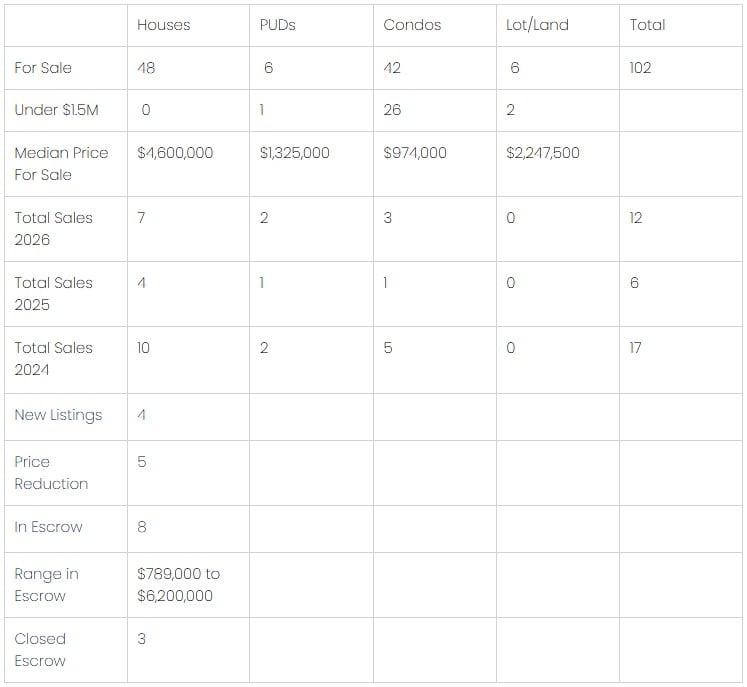
That broader evolution in how Incline Village and Crystal Bay are lived in and visited is now clearly reflected in today’s real estate activity. Inventory levels, pricing, and buyer behavior are increasingly shaped by year-round demand rather than seasonal cycles, with notable differences across property types and price points. The snapshot below offers a look at current market conditions as of late January 2026, providing context for how these long-term community shifts are playing out in real time across listings, sales, and pricing trends.
New Listings 4
Price Reductions 5
Contingent 8
Sold 3
Please keep in mind that these numbers are based on data from the Incline Village Board of REALTORS® or its Multiple Listing Service as of 1/28/2026.

Market Report
Resource
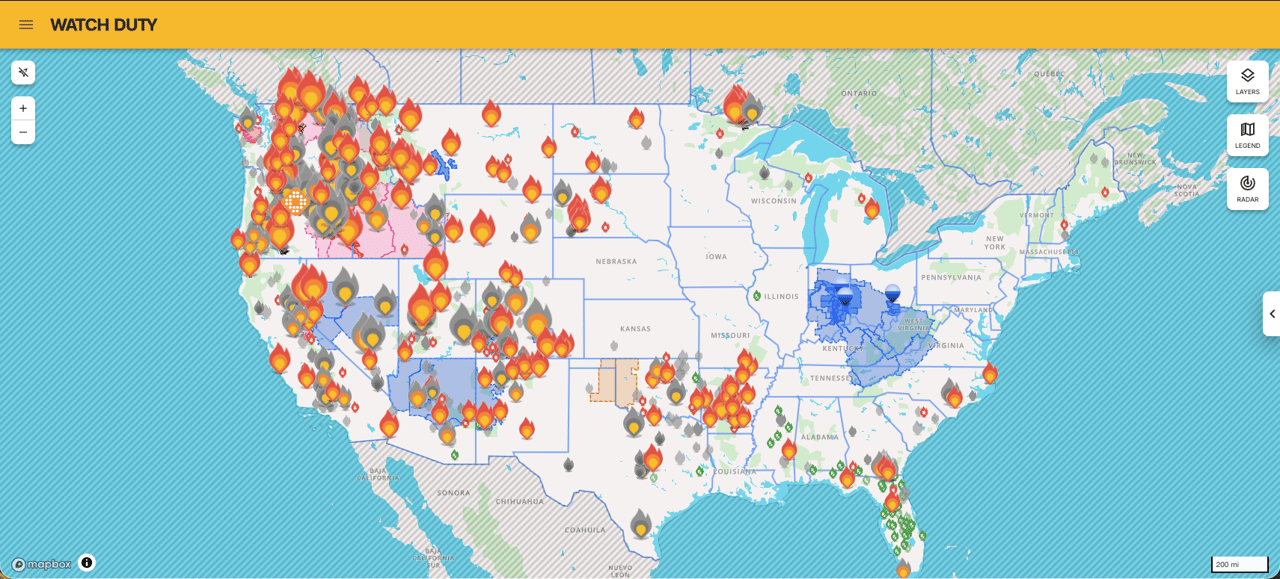
Living with Wildfire

Community Event
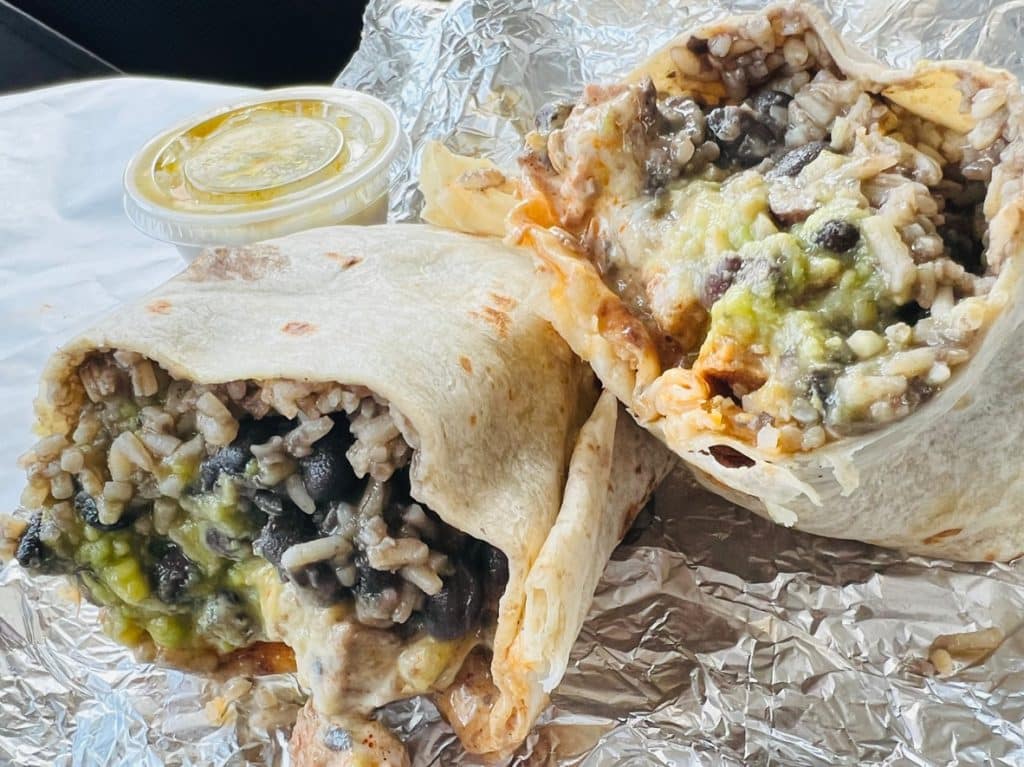
Local's Guide
Local's Guide to Lunch on the Go

Incline Village & Crystal Bay Market Report | August 5, 2026
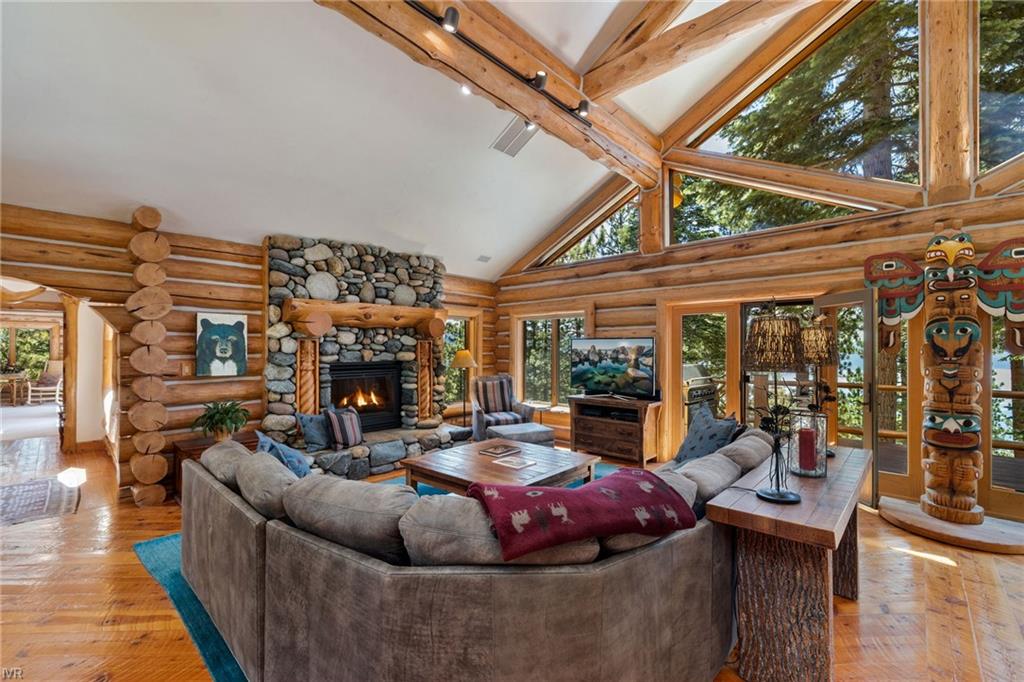
Incline Village & Crystal Bay Market Report | July 30, 2026
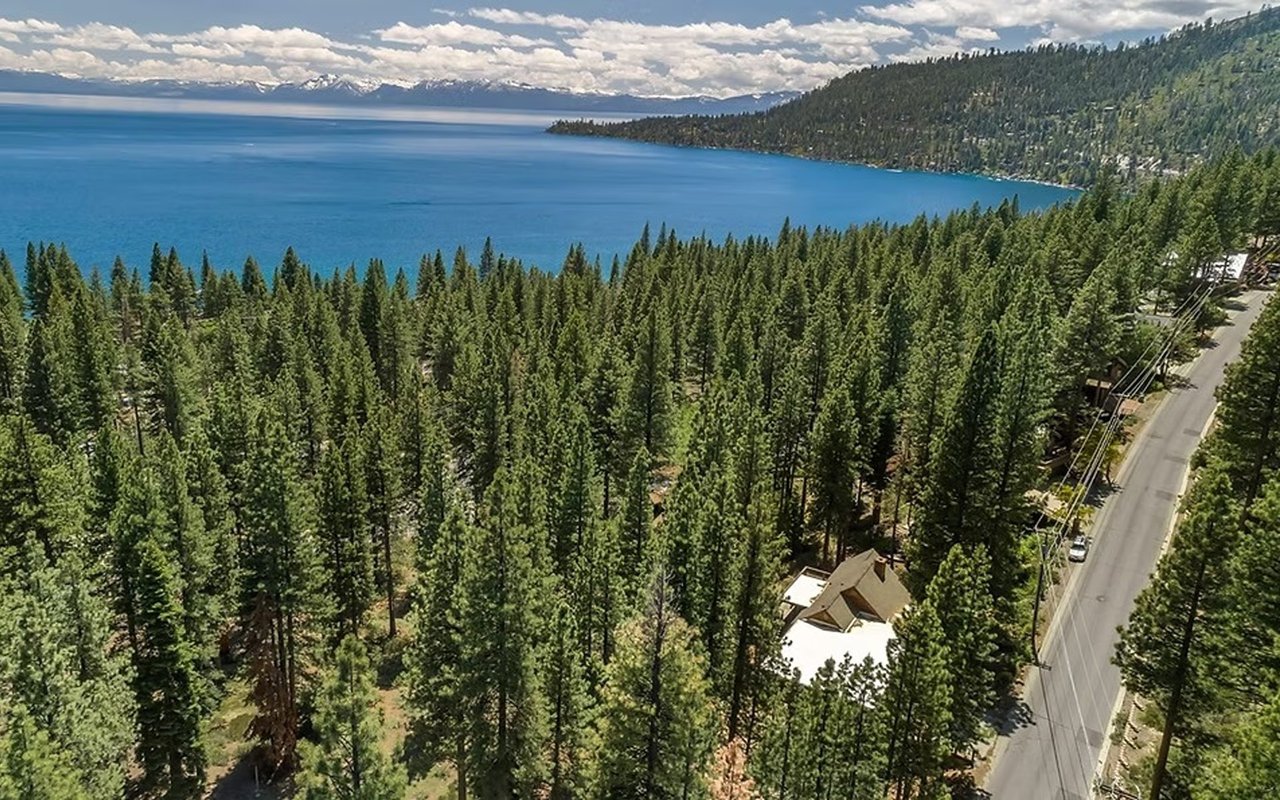
Market Report
Incline Village & Crystal Bay Market Report - July 22, 2026
We pride ourselves in providing personalized solutions that bring our clients closer to their dream properties and enhance their long-term wealth. Contact us today to find out how we can be of assistance to you!