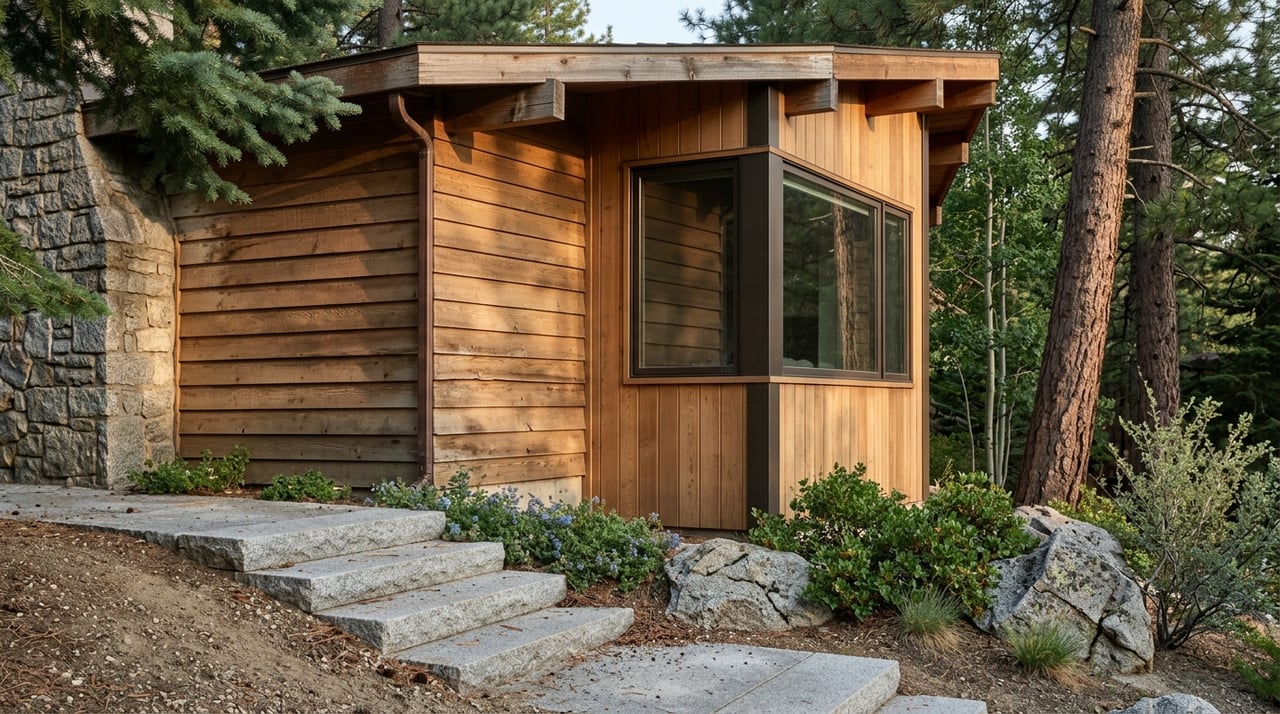
Remodel Potential In Crystal Bay Cabins And Homes
Thinking about buying a Crystal Bay cabin or older home because you see the upside? You are not alone. In a market where many properties were built decades ago, remodel potential can be one of the most important drivers of long-term value, comfort, and lifestyle fit. If you want to understand where the opportunity is, what can complicate a project, and which upgrades tend to matter most, this guide will help you look at Crystal Bay with clearer eyes. Let’s dive in.
Crystal Bay is a natural fit for value-add buyers because much of the Tahoe Basin housing stock is older. TRPA reports that more than 80% of homes were built before the 1987 growth-management system. That matters because many older homes were built under different standards than what applies today.
Older homes can offer character, privacy, and appealing settings, but they may also come with outdated layouts, lower energy efficiency, older water systems, and less wildfire resilience. In other words, the opportunity is often not just cosmetic. The real value may come from improving how the home lives, performs, and holds up over time.
TRPA’s design standards for Crystal Bay also support the idea of gradual improvement. The area is largely already developed, and the standards point toward remodeling existing properties in a way that respects the local architectural character. For buyers who appreciate older cabins and hillside homes, that creates a strong case for smart, Tahoe-sensitive updates.
Before you fall in love with a floor plan sketch or start pricing finishes, it helps to understand that remodel feasibility in Crystal Bay is often shaped by regulation, slope, access, and prior property history. A house may look like it has room to grow, but the real question is whether the site and approval path support that plan.
In Crystal Bay, remodels often require both Washoe County review and TRPA review. Washoe County requires permits for many common residential projects, including interior remodels, additions, reroofs, utility changes, and demolition. For homes in Incline Village and Crystal Bay, TRPA approval or exemption is generally needed before the county will issue the permit.
That is why the best remodel opportunities are not always the biggest projects. Often, the strongest value comes from homes where you can improve layout, systems, and exterior performance without triggering avoidable complications.
If you are evaluating remodel potential in Crystal Bay, one of the most practical questions is this: can the home be improved meaningfully without expanding the footprint? In many cases, that can be the more straightforward path.
TRPA’s qualified-exempt remodel path is fairly strict. For structural remodeling or additions, the rules require no new or relocated land coverage, no increase in dimensions visible from a TRPA scenic threshold route, no new height or density, a BMP retrofit plan, satisfaction of any excess-coverage mitigation, and existing paved access and parking.
That set of rules tends to favor projects that work within the existing structure. Interior reconfiguration, kitchen and bath upgrades, insulation improvements, mechanical updates, and envelope improvements may offer a better risk-reward balance than chasing extra square footage. For many Crystal Bay properties, smarter space can matter more than bigger space.
Crystal Bay’s topography is part of its appeal, but it can also make remodeling more complex. On steeper lots, project feasibility may depend as much on drainage, retaining needs, and access as on the house itself.
Washoe County’s hillside and ridgeline standards apply when slopes exceed certain thresholds. The county’s submittal checklist may require topography, drainage details, retaining-wall details, and access slopes under 14%. For hillside homes, that means an addition or major site change can involve more than design and budget.
If you are comparing two properties with similar price points, the easier site may actually be the better opportunity. A home with simpler access and fewer slope constraints can sometimes deliver a smoother remodel process and more predictable costs.
Mountain homes often come with hidden project variables, and Crystal Bay is no exception. If a property is on septic rather than sewer, Washoe County requires additional Health District routing and design documentation.
Structural conditions also matter. The county notes that structural engineering is strongly recommended and can be required when ground snow load exceeds 70 psf or when prescriptive design limits are exceeded. For older cabins with modest original structural systems, that can affect both scope and cost.
This does not mean older homes are poor candidates. It simply means your due diligence should go deeper than style and square footage. A charming cabin can still be a smart buy, but you want to understand what is behind the walls and under the roof before you commit.
In Crystal Bay, the best resale story usually comes from combining a more modern interior with a Tahoe-appropriate exterior. Buyers often respond well to homes that feel easier to live in while still looking like they belong in the setting.
That usually means improvements such as:
TRPA’s design guidance points toward a restrained Old Tahoe look, with wood, stone, simple roof forms, covered porches or entries, and a natural material palette. In practice, this means a remodel that respects the setting may feel more timeless than one that follows a style trend that does not fit Crystal Bay.
In Crystal Bay, wildfire resilience is more than a maintenance item. It can be a meaningful part of a property’s value proposition.
TRPA’s wildfire-preparedness guidance encourages fire-resistant or noncombustible roofing, siding, decking, trim, and fencing, along with defensible space around the home. If you are remodeling, these upgrades can strengthen both day-to-day peace of mind and future buyer appeal.
A buyer may appreciate a beautiful kitchen, but a new roof, stronger exterior materials, and a more defensible site can tell an even better ownership story. In a mountain market, practical resilience often supports value just as much as finish quality.
Some of the most important remodel dollars are the least visible. TRPA notes that older homes are often less energy- and water-efficient, which makes behind-the-scenes upgrades especially relevant.
Improvements to insulation, HVAC, drainage, and other core systems can make a home more comfortable and efficient in all seasons. These updates may not photograph like new countertops, but they often shape how the home lives on a daily basis.
If you are buying with resale in mind, it helps to think beyond finishes. The strongest remodels in Crystal Bay usually balance visual appeal with real performance improvements.
One of the most important steps in remodel due diligence is checking whether prior work was properly permitted. Washoe County states that unpermitted work is considered illegally constructed, must be disclosed in a sale under Nevada law, and can affect insurability.
In some cases, older work may be legalized or supported by third-party certification. In other cases, it may not be possible to permit the work if it violates setbacks or drainage easements. That can directly affect how you value a property and what remodel path remains available.
Before you buy, verify prior permits, the property’s regulatory zone, whether there is an HOA or architectural committee, and whether the home is on sewer or septic. These details may not be glamorous, but they can make a major difference.
Crystal Bay remodel schedules should account for mountain conditions from the beginning. Weather, access, and seasonal construction rules can all affect timing.
TRPA states that soil-disturbing grading and digging are generally limited to the May 1 to October 15 grading season. Even smaller excavation work must be stabilized quickly to prevent erosion. If your remodel includes exterior earthwork, grading, or drainage improvements, that timing window matters.
Winter planning is still useful for design, permitting, and interior-oriented scopes, but major site work may need to wait for the grading season. On steep lots, snow and delivery logistics can also affect construction speed and coordination.
A Crystal Bay remodel often requires more coordination than buyers expect. Depending on the property and scope, a plan set may need Nevada-licensed sign-off and review by planning, engineering, building, fire, GID, and health departments.
That is one reason local professionals can make such a difference. In a place where site constraints, approval paths, and design standards intersect, the process tends to go more smoothly when your team understands the area and the likely issues upfront.
For buyers, this is where hyperlocal real estate guidance can be valuable long before closing. A property that looks promising online may have very different remodel potential once the site, history, and regulatory path are reviewed in context.
When you are comparing Crystal Bay cabins and homes, the best remodel candidate is not always the one with the flashiest view or the biggest wish list. Often, it is the property where the upside is clear and the obstacles are manageable.
A strong candidate may include:
That mix can create a more realistic path to value. It can also make your ownership experience less stressful from the start.
If you are considering a Crystal Bay purchase with remodel potential, the right opportunity is rarely just about price per square foot. It is about how the home, lot, approvals, and long-term vision fit together. A careful, local read on those details can help you buy with more confidence and position the property for stronger use and resale down the road.
When you want a clear-eyed view of remodel potential in Crystal Bay, Inside Incline - Sabrina Belleci can help you evaluate the property, the micro-location, and the practical path forward.
Market Report
Incline Village and Crystal Bay Market Update | June 23, 2026

Local's Guide
Your Inside Scoop

Market Report
Incline Village & Crystal Bay Real Estate Market Report | June 17, 2026

Local's Guide
Where to enjoy music under the sun and stars

Education
Incline Village & Crystal Bay Real Estate Market Report | June 9, 2026

Incline Village & Crystal Bay Market Report | May 28, 2026
We pride ourselves in providing personalized solutions that bring our clients closer to their dream properties and enhance their long-term wealth. Contact us today to find out how we can be of assistance to you!